


Key Takeaways
- Routine car maintenance enhances vehicle longevity and reliability, making every trip safer and more comfortable for drivers and passengers alike.
- Skipping required services may lead to unsafe conditions and expensive repairs, forcing you to contend with breakdowns, accidents, and inflated repair bills.
- Structured maintenance is a proactive measure, not a reactive chore, giving you control over your vehicle’s health and performance rather than leaving it to chance.
Staying on top of vehicle maintenance isn’t just about ticking off a to-do list; it’s a fundamental step to avoid dangerous situations, enhance performance, and keep long-term repair costs manageable. While it might feel tempting to overlook basic car care, even minor lapses can have cascading effects that undermine safety, reliability, and savings. Ignoring simple, routine maintenance tasks can create a snowball effect, leading not only to unsafe driving conditions but also to costly mechanical failures that can derail your budget and disrupt your daily life. For reliable service, shop owners and drivers rely on Florissant trustworthy car repair shops to make preventative care easy and hassle-free, knowing that well-trained technicians can spot issues before they escalate and keep each component functioning smoothly.
Contrary to common belief, regular maintenance isn’t reserved for older vehicles or those with existing issues. In reality, it’s a wise investment in both safety and reliability for cars of all makes, models, and ages. Whether your car is fresh off the lot or has already seen thousands of miles, the proper care plan protects its essential systems and extends its lifespan. Proactive maintenance ensures your car consistently performs at its best, no matter the season or road conditions. This means fewer breakdowns, more efficient driving, and the peace of mind that comes from knowing your vehicle is equipped to handle whatever the road throws at it. In the long run, staying diligent with maintenance saves you from high repair bills, inconvenient breakdowns, and time lost waiting for complex jobs to be completed.
Understanding the Importance of Regular Maintenance
Keeping your vehicle in good condition isn’t just a convenience; it’s essential for safety, efficiency, and long-term reliability. Every part of a car works together, and neglecting even a single component can create problems that affect the entire system. Small maintenance oversights, such as skipping oil changes or ignoring fluid levels, may not cause immediate issues but can gradually degrade engine performance and lead to costly, potentially dangerous failures. According to Car and Driver, staying on top of routine inspections, fluid checks, and scheduled maintenance is key to preventing these problems.
Even basic tasks such as rotating tires or inspecting brakes make a significant difference. Regular tire rotations promote even wear, improve traction, and extend tire life, while brake checks catch worn pads or leaks before they become hazards. Vehicles that receive consistent care experience fewer breakdowns, better fuel efficiency, smoother handling, and greater durability under daily driving conditions. Following a structured maintenance schedule helps prevent minor wear from escalating into expensive repairs.
Proactive upkeep also reduces the likelihood of being stranded, protects your investment, and makes everyday driving less stressful. Well-maintained cars often achieve higher resale values because buyers recognize that a vehicle with a documented service history is less likely to have hidden issues. Prioritizing regular maintenance from oil changes to brake inspections ensures optimal performance, lower repair costs, and a more reliable, enjoyable driving experience.
Common Maintenance Tasks and Their Benefits
Vehicle maintenance routines might seem simple, but each service helps protect against costly, inconvenient repairs. Here are some of the most essential services and how they contribute to your vehicle’s health:
- Oil Changes: Engine oil lubricates moving parts and prevents excessive friction. Skipping oil changes leads to dirty, ineffective oil, which can clog up the engine, causing premature wear or even irreversible damage to key engine components. Regular oil changes also help keep contaminants out of the engine, ensuring smooth and efficient operation over the long haul.
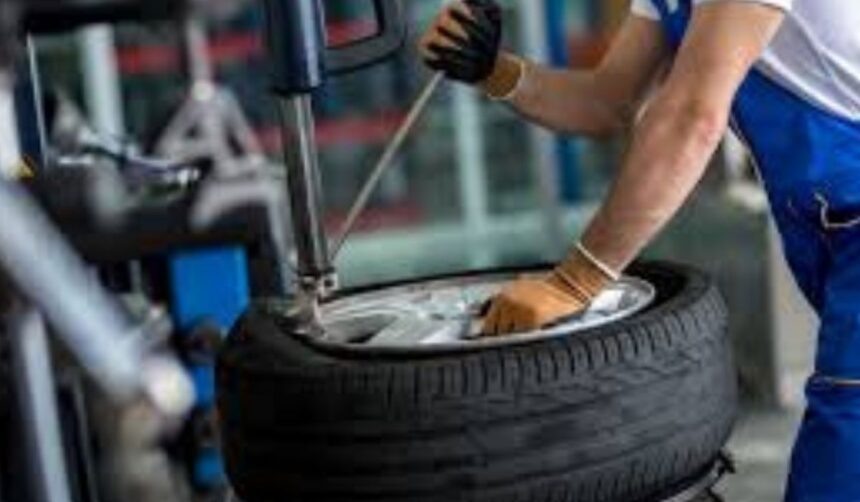
- Tire Rotations and Balancing: Unrotated tires wear unevenly, affecting traction, handling, and road safety. Rotating your tires regularly extends their life, provides balanced grip across all wheels, and helps maintain even driving dynamics in adverse weather conditions. Well-balanced tires can also improve ride comfort and fuel efficiency.
- Brake Inspections and Replacement: Worn brakes can lengthen stopping distance or cause brake failure, significantly increasing the risk of accidents. Regular inspections catch issues like thin pads, cracked rotors, or leaking brake lines before they compromise your safety. By replacing brake components as needed, you ensure your car responds swiftly in emergencies.
- Fluid Level Checks (coolant, transmission, power steering): Low or dirty fluids can strain vehicle systems, leading to overheating, shifting issues, or complete system failure. Maintaining proper fluid levels and quality prevents corrosion and overheating, keeping transmission and steering systems reliable for years to come.
Following the manufacturer’s recommendations for these basic tasks can save thousands of dollars on future repairs. Overlooking something as simple as a scheduled oil change or tire inspection could transform a cheap fix into a wallet-draining repair bill. The Consumer Reports guide to car maintenance is an excellent resource for more detailed explanations, how-to guides, and specific recommendations for various vehicle makes and models, helping drivers make informed decisions about their car care routine.
Consequences of Neglecting Maintenance
Letting maintenance slide might seem harmless in the short term, but over time, small problems transform into major emergencies. Potential consequences include:
- Engine Damage: Low or dirty oil causes friction, which can result in costly components wearing out or even engine seizure, forcing drivers to consider a complete engine rebuild or replacement—costing thousands of dollars.
- Uneven Tire Wear: Poorly maintained or unrotated tires don’t grip the road properly, leading to dangerous handling and a higher risk of blowouts, which can cause accidents and expensive towing or repair bills.
- Brake Failures: Ignoring squealing or soft brakes can allow pads to wear down to metal, damaging rotors, calipers, and the braking system. This compromises your ability to stop when it matters most and greatly increases your risk of accidents.
- System Overheating: Running low on coolant or neglecting the cooling system can cause an engine to overheat, requiring major repairs or even full engine replacement.
Cost Implications of Deferred Maintenance
Many drivers put off maintenance, thinking they’re saving money, but the opposite is often true. A simple $130 oil change, when neglected, can eventually lead to engine damage that costs thousands to repair. Brake pad replacements are inexpensive compared to repairing or replacing a compromised brake system, which might require new rotors, calipers, and even master cylinders if left unchecked.
Delaying routine tire rotations can mean buying a whole new set prematurely or facing costly alignment and suspension work. A study highlights that neglecting basic car maintenance makes you much more likely to break down on the road, increasing not only your repair bills but also the inconvenience and risk of being stranded in unsafe conditions.
Developing a Maintenance Schedule
Every vehicle comes with a maintenance schedule outlined in its owner’s manual, but remembering all the dates and services can be a challenge. The key to keeping your car healthy is organization and consistency. Follow these steps to make it simple:
- Consult your car’s manual for the manufacturer’s recommended service intervals for each type of maintenance, from oil changes to timing belt replacement.
- Set up calendar notifications for essential tasks like oil changes, tire rotations, and brake inspections, so you don’t miss a critical check.
- Keep a written or digital log of all your maintenance, including receipts and dates, to track upcoming needs, prove proper care, and maximize your resale value.
Conclusion
Routine vehicle maintenance is an investment in your car’s longevity, efficiency, and safety. By establishing regular service habits and harnessing simple technological tools, you can sidestep the severe consequences of neglect and save significant money on repairs. With proactive upkeep, you’ll ensure smoother, safer journeys and preserve your vehicle’s value for years to come. Whether you drive daily or only on weekends, following a dedicated maintenance schedule keeps your driving experience worry-free and maximizes your car’s performance every mile of the way.